

Aluminum railing has become a prominent player in the construction and design industries, known for its versatility, durability, and aesthetic appeal. As a leading aluminum railing supplier, I often get asked whether aluminum railing can be used for industrial applications. In this blog, I'll explore the suitability of aluminum railing in industrial settings, highlighting its benefits, potential use - cases, and considerations.
The Advantages of Aluminum Railing for Industrial Use
Durability
One of the primary reasons aluminum railing is well - suited for industrial applications is its durability. Aluminum is highly resistant to corrosion, which is a significant concern in industrial environments. Many industrial facilities are exposed to harsh chemicals, moisture, and extreme weather conditions. Unlike steel, which can rust and deteriorate over time, aluminum forms a natural oxide layer on its surface that protects it from corrosion. This means that aluminum railing can maintain its structural integrity and appearance even in challenging industrial settings.
Lightweight
Aluminum is a lightweight material, which makes it easy to handle and install. In industrial applications, where large - scale installations may be required, the lightweight nature of aluminum railing can significantly reduce labor costs and installation time. Workers can move and position the railing more easily, and less heavy - lifting equipment is needed. This also makes it a great option for applications where weight is a concern, such as on elevated platforms or in structures where additional weight could be a problem.
Customizability
Aluminum railing can be easily customized to meet the specific needs of industrial applications. It can be fabricated into various shapes, sizes, and designs. Whether you need a simple straight railing for a walkway or a complex, curved railing for a unique industrial structure, aluminum can be shaped to fit your requirements. Additionally, aluminum can be powder - coated in a wide range of colors, allowing it to match the industrial facility's aesthetic or safety color - coding requirements.
Cost - effectiveness
When considering the long - term costs, aluminum railing is a cost - effective option for industrial applications. While the initial cost of aluminum railing may be comparable to other materials, its low maintenance requirements and long lifespan make it a more economical choice over time. There is no need for regular painting or rust prevention treatments, which can save a significant amount of money in maintenance costs.
Industrial Use - Cases for Aluminum Railing
Safety Barriers
In industrial facilities, safety is of utmost importance. Aluminum railing can be used as safety barriers around machinery, elevated platforms, walkways, and staircases. The railing provides a physical barrier that prevents workers from accidentally falling or coming into contact with dangerous equipment. For example, in a manufacturing plant, aluminum railing can be installed around large - scale machinery to protect workers from moving parts. The durability of aluminum ensures that the railing can withstand accidental impacts and continue to provide reliable safety protection.
Perimeter Fencing
Industrial sites often require perimeter fencing to secure the area and control access. Aluminum railing can be used to create a secure and visually appealing perimeter fence. It can be installed at various heights and configurations to meet the security needs of the facility. The corrosion - resistant properties of aluminum make it suitable for outdoor use, even in areas with high humidity or exposure to chemicals.
Platform and Mezzanine Railing
In warehouses and industrial buildings, platforms and mezzanines are commonly used to increase storage space or provide additional work areas. Aluminum railing is an ideal choice for these structures. It can be easily installed on the edges of platforms and mezzanines to prevent falls. The lightweight nature of aluminum is especially beneficial in these applications, as it does not add excessive weight to the structure.
Considerations for Using Aluminum Railing in Industrial Applications
Load - Bearing Capacity
While aluminum is a strong material, it is important to ensure that the aluminum railing can handle the expected loads in industrial applications. Factors such as the height of the railing, the spacing between balusters, and the type of use (e.g., whether it will be subject to impact or static loads) need to be considered. Engineering calculations should be performed to determine the appropriate design and thickness of the aluminum railing to meet the load - bearing requirements.
Code Compliance
Industrial facilities are subject to various building codes and safety regulations. When using aluminum railing, it is crucial to ensure that the railing meets all relevant codes and standards. This includes requirements for baluster spacing, handrail height, and strength. Working with a knowledgeable supplier who can provide code - compliant products is essential to avoid any legal issues or safety hazards.
Compatibility with Other Materials
In some industrial applications, aluminum railing may need to be integrated with other materials, such as steel or concrete. It is important to consider the compatibility of these materials to prevent galvanic corrosion. Galvanic corrosion can occur when two different metals are in contact in the presence of an electrolyte (such as moisture). To prevent this, proper insulation or coating should be used to separate the aluminum railing from other metals.
Our Aluminum Railing Products for Industrial Applications
As an aluminum railing supplier, we offer a wide range of products suitable for industrial use. Our Black Aluminum Deck Balusters are not only aesthetically pleasing but also highly durable, making them a great choice for safety barriers and railing systems. The black powder - coating provides an extra layer of protection against corrosion and gives the railing a sleek, modern look.
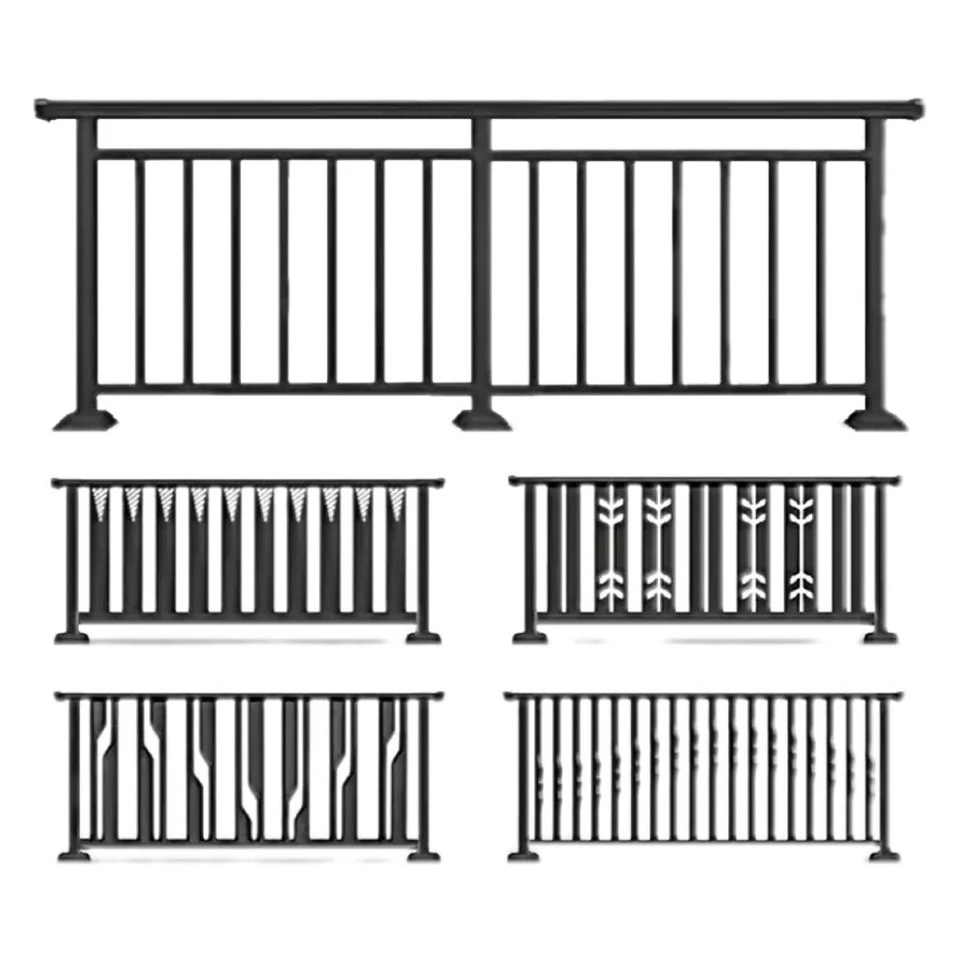

Our Aluminum Rod Railing is another popular option for industrial applications. The rod - style design offers a high level of visibility while still providing a strong and secure barrier. It can be customized to fit different industrial settings, whether it's a large - scale manufacturing plant or a small - scale workshop.
For those looking for a more traditional look, our Square Aluminum Balusters are a great choice. They can be used to create a classic and elegant railing system that is both functional and visually appealing.
Conclusion
In conclusion, aluminum railing can be an excellent choice for industrial applications. Its durability, lightweight nature, customizability, and cost - effectiveness make it well - suited for a variety of industrial use - cases, including safety barriers, perimeter fencing, and platform railing. However, it is important to consider factors such as load - bearing capacity, code compliance, and material compatibility when using aluminum railing in industrial settings.
If you are interested in purchasing aluminum railing for your industrial project, we would be more than happy to discuss your specific needs. Our team of experts can provide you with detailed information about our products, help you choose the right railing for your application, and assist with the installation process. Contact us today to start a conversation about how our aluminum railing can enhance the safety and functionality of your industrial facility.
References
- "Aluminum in Construction: Properties, Performance, and Applications" by John W. Weiner
- "Building Codes and Safety Standards for Industrial Structures" by the National Fire Protection Association
- "Corrosion Prevention in Industrial Environments" by the American Society for Testing and Materials