

Can a metal electronics box be used in a high - frequency environment? This is a question that often comes up in the electronics industry, and as a metal electronics box supplier, I'm here to provide a comprehensive answer.
The Basics of Metal Electronics Boxes
Metal electronics boxes are widely used in various industries due to their durability, strength, and ability to provide protection for sensitive electronic components. They come in different shapes, sizes, and materials, such as steel, aluminum, and stainless steel. These boxes are designed to house electronic equipment, shielding it from physical damage, dust, moisture, and electromagnetic interference (EMI).
High - Frequency Environments
High - frequency environments are characterized by the presence of electromagnetic waves with frequencies typically above 100 MHz. These environments can be found in many places, including telecommunications facilities, radio and television broadcasting stations, and industrial settings where high - frequency equipment is used. In such environments, electronic components are exposed to strong electromagnetic fields, which can cause interference and affect the performance of the equipment.
Advantages of Using Metal Electronics Boxes in High - Frequency Environments
- Electromagnetic Shielding
One of the primary advantages of using metal electronics boxes in high - frequency environments is their ability to provide electromagnetic shielding. Metals, especially conductive ones like steel and aluminum, can act as a Faraday cage. A Faraday cage is an enclosure made of conductive material that blocks external electromagnetic fields. When an electronic device is placed inside a metal box, the metal absorbs and redirects the electromagnetic waves, preventing them from reaching the sensitive components inside. This shielding effect helps to reduce EMI and ensures the proper functioning of the electronic equipment. - Physical Protection
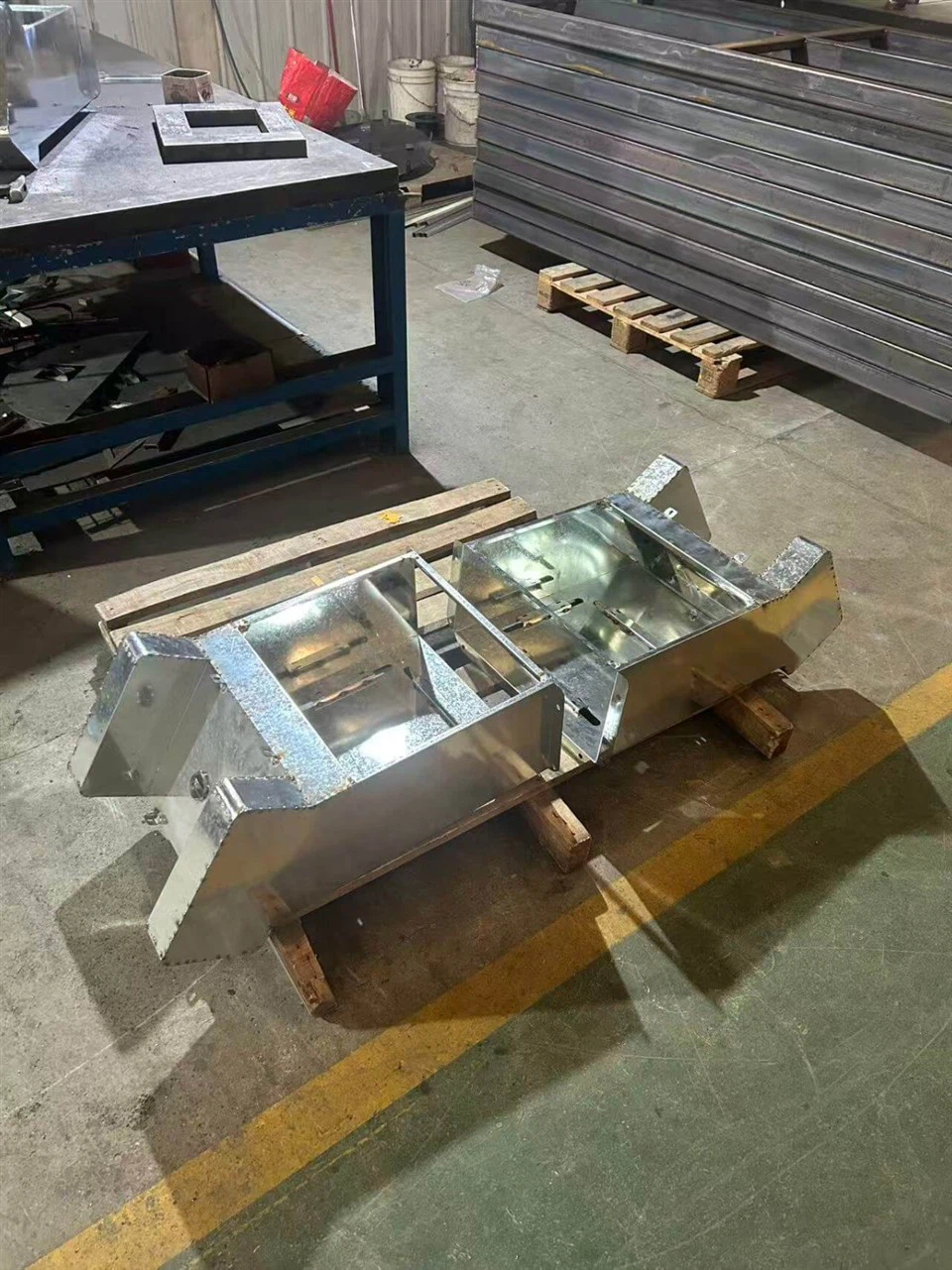
In addition to electromagnetic shielding, metal electronics boxes also offer physical protection. High - frequency environments can be harsh, with the potential for mechanical shocks, vibrations, and exposure to dust and moisture. Metal boxes are sturdy and can withstand these environmental factors, protecting the electronic components from damage. For example, a Steel Electrical Enclosure Box is designed to be robust and can provide a reliable housing for electrical equipment in high - frequency settings. - Heat Dissipation
Many high - frequency electronic devices generate a significant amount of heat. Metal electronics boxes can help with heat dissipation. Metals have good thermal conductivity, which means they can transfer heat away from the electronic components more effectively. This helps to prevent overheating, which can lead to reduced performance and even damage to the electronic equipment.
Considerations When Using Metal Electronics Boxes in High - Frequency Environments
- Material Selection
The choice of material for the metal electronics box is crucial in high - frequency environments. Different metals have different electrical and magnetic properties. For example, steel has good magnetic shielding properties, while aluminum is lightweight and has good electrical conductivity. The thickness of the metal also plays a role. Thicker metals generally provide better shielding, but they may also add more weight and cost. - Grounding
Proper grounding is essential for the effective operation of metal electronics boxes in high - frequency environments. Grounding helps to dissipate the electrical charges that accumulate on the metal surface due to electromagnetic interference. A well - grounded metal box can prevent the build - up of static electricity and reduce the risk of electrical shocks. - Sealing
To ensure effective electromagnetic shielding, the metal electronics box must be properly sealed. Any gaps or openings in the box can allow electromagnetic waves to enter, reducing the shielding effectiveness. Sealing gaskets can be used to close the gaps between the box and its lid, providing a tight seal.
Applications of Metal Electronics Boxes in High - Frequency Environments
- Telecommunications
In the telecommunications industry, high - frequency signals are used for wireless communication. Metal electronics boxes are used to house the electronic components of base stations, routers, and other communication equipment. These boxes protect the sensitive electronics from EMI and ensure reliable communication. For example, Server Racks And Cabinets are often made of metal and are used to house servers and networking equipment in data centers, which operate in high - frequency environments. - Radio and Television Broadcasting
Broadcasting stations use high - frequency signals to transmit audio and video content. Metal electronics boxes are used to house the transmitters, receivers, and other equipment. These boxes provide electromagnetic shielding to prevent interference and ensure high - quality broadcasting. - Industrial Automation
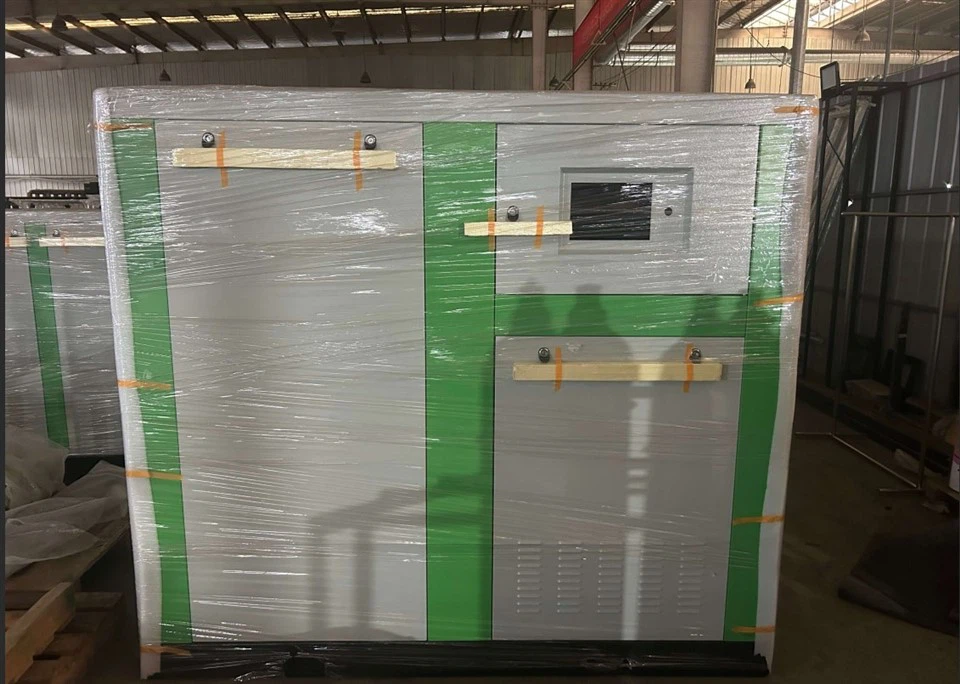
In industrial settings, high - frequency equipment is used for various purposes, such as sensors, controllers, and communication devices. Metal electronics boxes protect these devices from the harsh industrial environment and electromagnetic interference. For example, a Steel Generator Box can be used to house a generator and its associated control electronics, protecting them from both physical damage and EMI.
Conclusion
In conclusion, metal electronics boxes can be effectively used in high - frequency environments. Their ability to provide electromagnetic shielding, physical protection, and heat dissipation makes them an ideal choice for housing electronic equipment in these settings. However, careful consideration must be given to material selection, grounding, and sealing to ensure optimal performance.
If you are in need of metal electronics boxes for high - frequency environments, we are here to assist you. We offer a wide range of metal electronics boxes, including Steel Electrical Enclosure Box, Server Racks And Cabinets, and Steel Generator Box. Our products are designed to meet the highest standards of quality and performance. Contact us to discuss your specific requirements and start a procurement negotiation.
References
- Electromagnetic Compatibility Engineering by Henry W. Ott
- Handbook of Electromagnetic Compatibility by Clayton R. Paul